Notes from the production floor

Professional articles.

Practical knowledge from the world of industrial printing.
A closer look at the questions behind the finished product.

Production

When Production Becomes Intelligent - Who Really Makes the Decision?

This article examines how artificial intelligence can support integrated decision-making across printing and packaging production without confusing recommendations with authorized actions. It explores data integrity, route-level scheduling, maintenance, materials, root-cause investigation, human oversight, and accountability.

READ ARTICLE


Packaging

Cold-Seal Packaging: When Pressure Replaces Heat

Cold sealing relies on compatible cohesive adhesives, controlled pressure, and carefully engineered release surfaces rather than heated sealing jaws. This article examines package architecture, coating and drying variables, failure modes, and how LEP and flexographic ink films affect adhesion, release, lamination, and qualification.

READ ARTICLE

Application

Washboarding in Corrugated Printing: When the Board Controls the Image

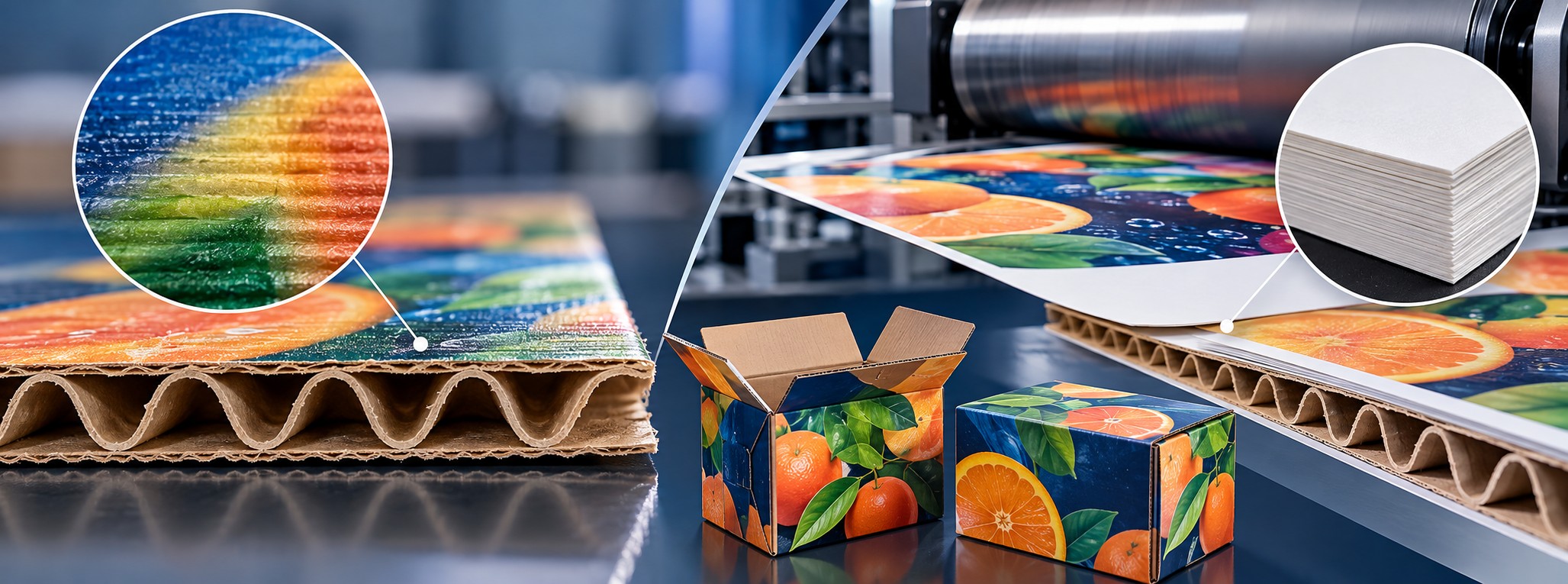
Repeating bands and surface waviness in corrugated packaging can originate in the board, direct flexographic printing, or the lamination process. This guide explains how flute structure, liner properties, pressure, adhesive and moisture affect image quality, with a practical workflow for identifying and correcting the source.

READ ARTICLE

Materials & Substrates

The Polymer Determines the Package

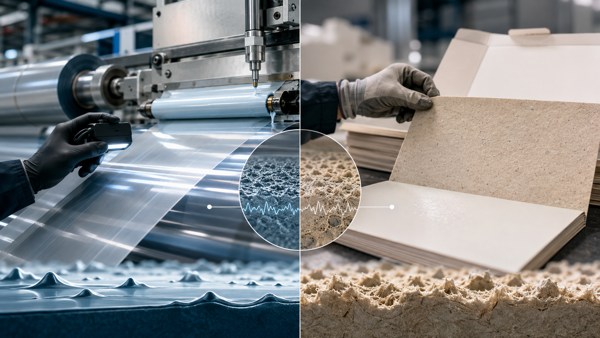
Two clear films may have the same nominal thickness, appear almost identical on the unwind stand, and even belong to the same polymer family. Yet one may run with excellent dimensional stability on a printing press while the other elongates under web tension. One may provide an efficient sealing layer; the other may be designed for stiffness, high-temperature processing, or oxygen protection. A substrate selected only by its abbreviated polymer name is therefore an incomplete engineering specification.

READ ARTICLE

Application

From the Printed Sheet to the Finished Deck of Playing Cards

This article explains how paperboard structure, grain direction, LEP printing, primers and functional coatings influence the appearance, handling and durability of playing cards. It also examines opacity, dynamic snap, controlled friction, precision converting and finished-deck quality assurance.

READ ARTICLE

Color & Color Management

Black is not just Black

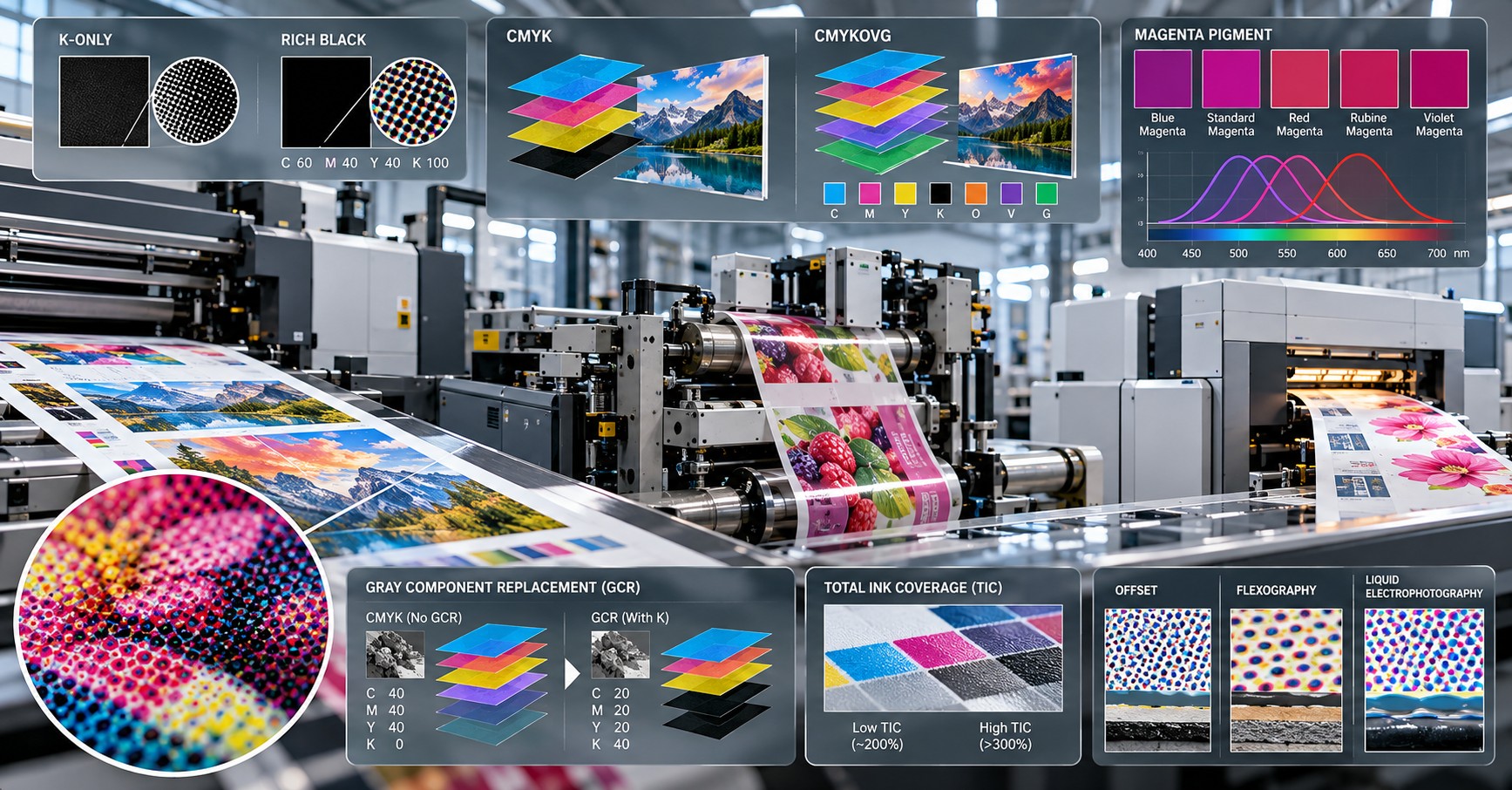
Pigment chemistry, black generation and color separation strategies can make prints look different even when measured color values are within tolerance. This article explains how GCR, UCR, total ink coverage and process-specific ink behavior influence color reproduction across offset, flexography and liquid electrophotography.

READ ARTICLE

Color & Color Management

When the Color Matches, but the Appearance Changes

Printed samples with similar L*a*b* values can look different when lighting or viewing angles change. This article explains how gloss, effect pigments, substrates, ink-film formation, and printing processes influence angular appearance, and how multiangle measurement supports reliable evaluation.

READ ARTICLE

Troubleshooting

The Hidden Geometry of Printing

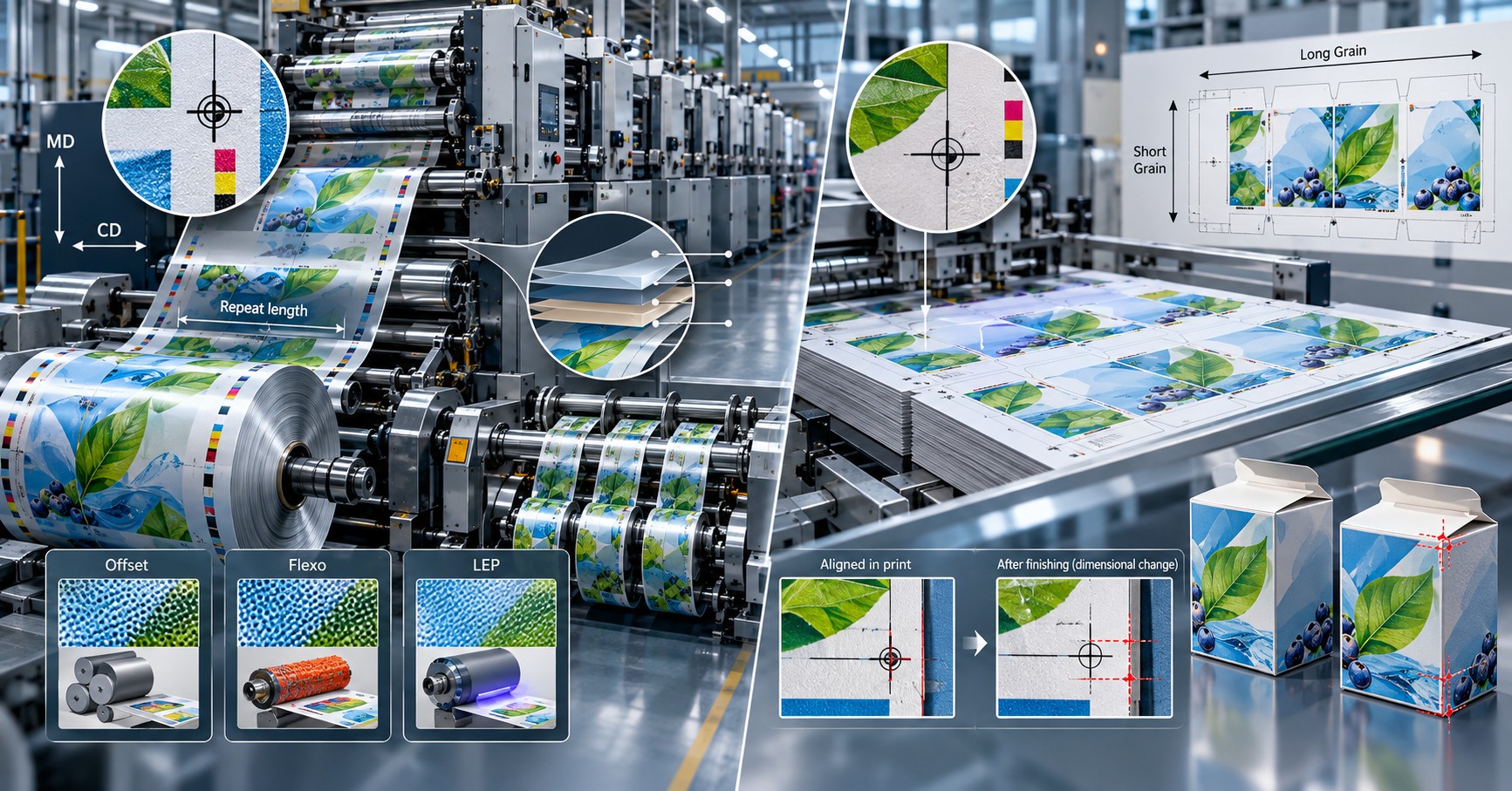
Accurate color-to-color registration does not guarantee that printed graphics will align with cuts, creases, seals, or other converting features. This article explains how substrate behavior, press geometry, tension, heat, moisture, and downstream processes affect dimensions—and how to identify when controlled precompensation is appropriate.

READ ARTICLE

Troubleshooting

The Art of Investigating Failure

Effective failure investigation begins by defining the nonconformance, separating evidence from assumptions, and tracing the complete production chain. This article explains how to narrow competing hypotheses and design controlled experiments that identify root causes rather than merely treating visible symptoms.

READ ARTICLE

Materials & Substrates

When the Defect Begins Inside the Film

A printing plant runs a polyethylene film supplied by an established manufacturer. The incoming material is accompanied by a conforming technical specification: nominal thickness is within tolerance, and the surface treatment is appropriate for the printing process.

READ ARTICLE

Troubleshooting

When the Measurement Lies

Reliable quality decisions depend on more than calibrated instruments and precise-looking results. This article explains how measurement uncertainty, test methods, operator variation, and sampling can distort findings in printing, packaging, and converting—and how to evaluate the measurement system before changing production.

READ ARTICLE

Materials & Substrates

The Surface Beneath the Ink

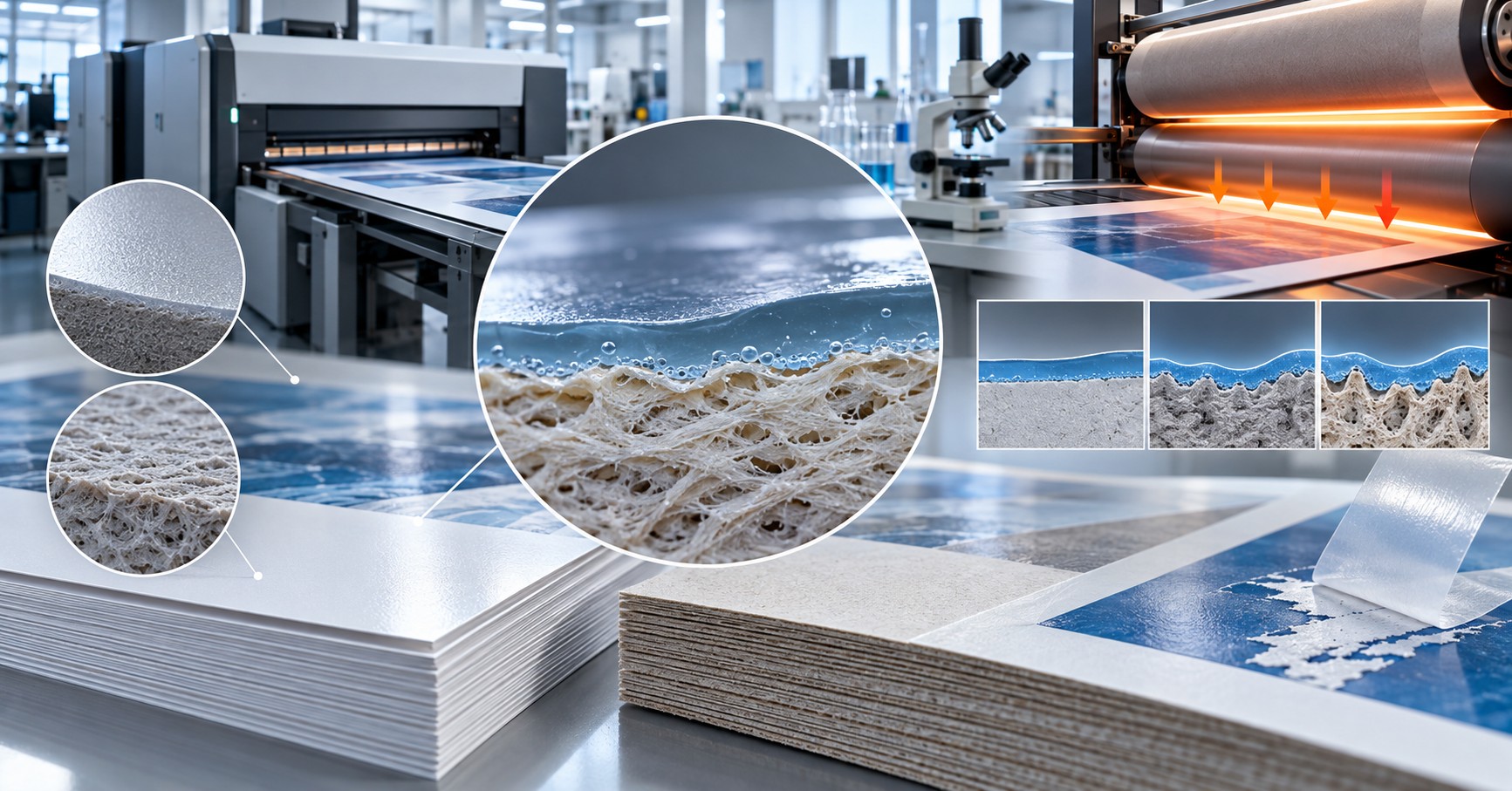
LEP ink transfer and long-term adhesion depend on the chemical and physical surface presented by paper or paperboard, not simply its grade designation. This article examines coating chemistry, surface aging and press conditions, then outlines a practical approach to diagnosing adhesion failures and determining when primer is necessary.

READ ARTICLE

Troubleshooting

The Invisible Layer Behind a Smeared Code

This article explains how primer applied for digital LEP printing can remain in an unprinted coding window and undermine the durability of a later water-based coding ink. It connects surface chemistry, barcode verification, and controlled primer-solids trials in a practical qualification workflow for pharmaceutical cartons.

READ ARTICLE

Materials & Substrates

From Polymer to Performance

This article explains how polymer chemistry, film formation, orientation, additives and multilayer construction determine printability and end-use behavior. It compares major substrate families and shows why selection must account for printing, sealing, lamination, converting, storage and final-product validation.

READ ARTICLE

Application

Scratch-Off Cards: Engineering a Controlled Reveal

Scratch-off products depend on a carefully engineered balance between permanent adhesion and controlled release. This article examines substrates, protective and release layers, concealment, registration, variable data, two-pass LEP production, security and durability.

READ ARTICLE

Troubleshooting

Static Electricity in Printing:The Invisible Enemy of Print Quality

Electrical defects in printing can result from retained surface charge on insulating films or unintended current paths through conductive substrates. This article explains how substrate construction, ionization, grounding, and machine-specific null cycles affect print transfer, web handling, converting, and diagnostic decisions.

READ ARTICLE

Color & Color Management

Why the Same Digital Print File Produces Different Colors

Identical artwork can produce different color when DFE queues, source profiles, reference conditions, rendering settings, spot-color libraries or job LUTs change. This article explains how these variables interact and presents a structured approach to separating digital workflow changes from shifts in the press, substrate or calibration state.

READ ARTICLE

Packaging

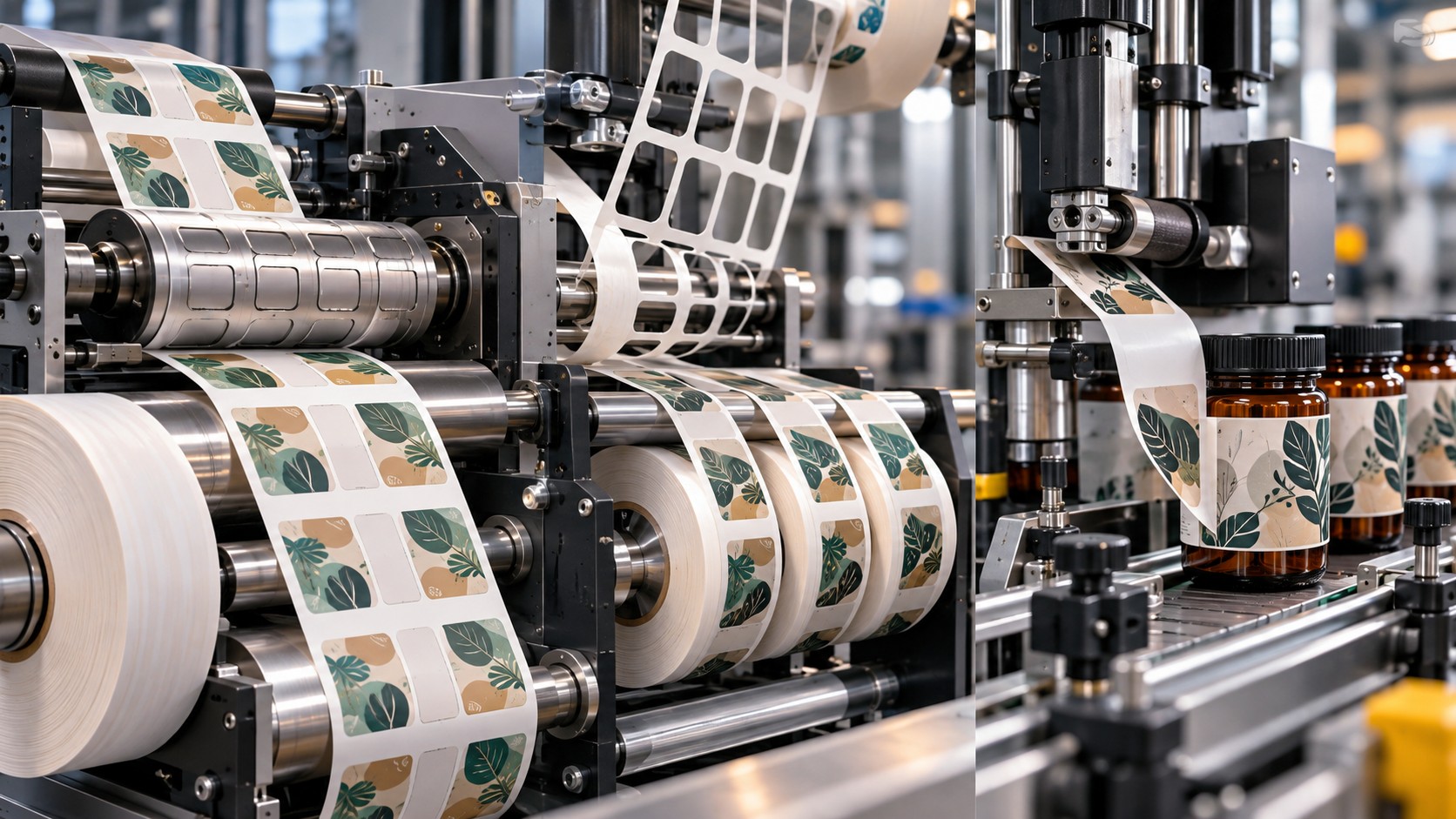
When the Label Becomes Part of the Container

In-mold labeling integrates a printed polymer label into a plastic article during molding, requiring close control of materials, printing, coatings, converting and automated handling. This article explains the complete production chain, key failure risks and the qualification needed for performance and food-contact applications.

READ ARTICLE

Production

Operational Excellence Begins with the Customer Promise

Efficient equipment does not guarantee that a finished order will meet its delivery commitment. This article presents OFX and OFE as an author-developed framework for connecting readiness, production routes, governed handoffs, valid release, and end-to-end order performance while preserving established measures such as OEE.

READ ARTICLE

Color & Color Management

The Standard Is Not the Measurement

A valid print color report depends on matching the approved reference dataset with the correct measurement condition, viewing environment, substrate, and finished construction. This guide explains how M0, M1, and M2 differ, how FOGRA and GRACoL references are selected, and why G7 calibration does not by itself define a target printing condition.

READ ARTICLE

Application

From Printed Film to Finished Shrink Sleeve

This article explains how polymer selection, film orientation, LEP printing, artwork distortion, seaming and controlled shrinking interact in traditional TDO shrink-sleeve production. It outlines a package-first approach to material selection, converting, tunnel optimization and finished-container quality qualification.

READ ARTICLE

Color & Color Management

When the Values Match but the Colors Do Not

A close ΔE00 match under one reference illuminant does not guarantee that prints made with different inks, substrates and finishes will look alike under other lighting. This article explains how spectral reflectance, metamerism and surface appearance affect cross-process color, then outlines a disciplined approach to diagnosis and approval.

READ ARTICLE

Materials & Substrates

From Fiber to Finished Product

Paper and paperboard are engineered fiber networks whose composition, structure, grain direction and surface properties affect printing, converting and final-product performance. This article explains how manufacturing choices and substrate characteristics influence applications ranging from folding cartons and flexible packaging to books and commercial print.

READ ARTICLE

Application

From Printed Film to a Durable Garment Graphic

This article explains how carrier films, release coatings, printed layers, barriers and thermal adhesives work together in garment heat transfer labels. It also examines transfer conditions, textile compatibility and testing needed to assess registration, adhesion, appearance and wash durability.

READ ARTICLE

Troubleshooting

When the Obvious Solution Is the Wrong One

An illustrative flexible-packaging scenario shows how intermittent LEP ink-transfer defects can be misdiagnosed when teams focus too narrowly on press components. It explains how controlled comparisons, defect mapping, and evaluation of substrate flatness and web behavior can separate symptoms from root causes.

READ ARTICLE

Troubleshooting

The Defect That Wasn't in the Printing Press

An intermittent dark-speck defect on white LEP-printed laminate tubes initially appeared to originate at the press. A stage-by-stage investigation traced the failure to material accumulating on a heated sealing belt during tube forming, demonstrating why troubleshooting must follow the complete production chain.

READ ARTICLE

Application

The Small Perforation That Changed the Thinking Behind Blister Sealing

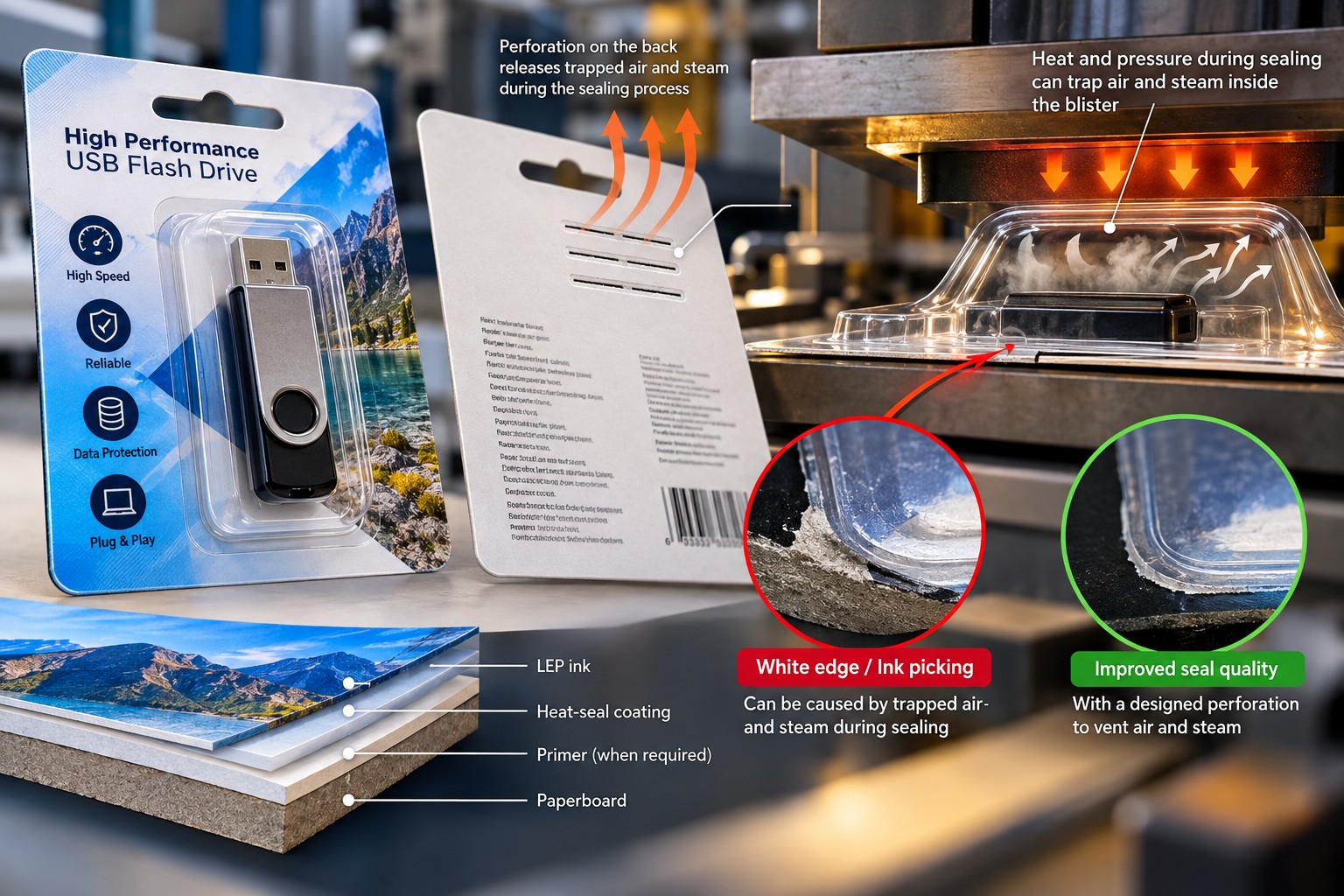
This case study examines recurring weak seals in sheetfed LEP-printed face-seal blister cards by looking beyond platen temperature to the full material and process system. It explains how coating qualification, coating deposit, dwell time, release layers, and trapped air or vapor can affect seal performance, and why any venting feature must be validated for the intended package.

READ ARTICLE

Troubleshooting

The Hidden Variable Behind Unstable Print Performance

This troubleshooting case examines how inconsistent material conditioning contributed to variable ink adhesion in digital LEP label production. Controlled comparisons separated the benefits of additional surface preparation from the underlying influence of roll temperature and staging history.

READ ARTICLE

Troubleshooting

When the Ink Does Not Adhere, the Ink Is Not Always the Problem

LEP adhesion failures can originate within the substrate or at interfaces involving primer, ink, varnish and laminating adhesive. This article explains how to identify the fracture plane, isolate variables through controlled testing and verify that corrective actions withstand downstream converting stresses.

READ ARTICLE

Packaging

When Packaging Becomes Active

Active and bio-based packaging requires coordinated engineering across functional materials, printing, converting and the finished package structure. This article examines active mechanisms, material families, ink compatibility, food-contact considerations and the need to verify performance and end-of-life claims on the final construction.

READ ARTICLE

Application

From Printed Sheet to Finished Plastic Card

Plastic card quality depends on engineering the complete production route, from material selection and surface preparation to printing, lamination, punching, and final qualification. This article explains how card architecture, thermal behavior, bonding interfaces, dimensional stability, and functional requirements interact in solid-, split-, and multi-core PVC constructions.

READ ARTICLE

Packaging

From Printed Paperboard to the Finished Liquid Carton

Liquid-carton performance depends on the interaction of paperboard, polymers, barrier layers, inks, coatings, seals and filling conditions. This article follows the complete production chain, explaining how material selection, structural design, printing, converting, food-contact compliance and process validation affect package safety and durability.

READ ARTICLE

Packaging

When the Package Steals the Flavor

Aroma-sensitive foods can lose defining flavor compounds when those molecules partition into and diffuse through packaging materials. This article explains how polymer chemistry, multilayer construction, storage conditions, and analytical testing affect flavor retention in finished food packages.

READ ARTICLE

Color & Color Management

Why Color Moves During the Run

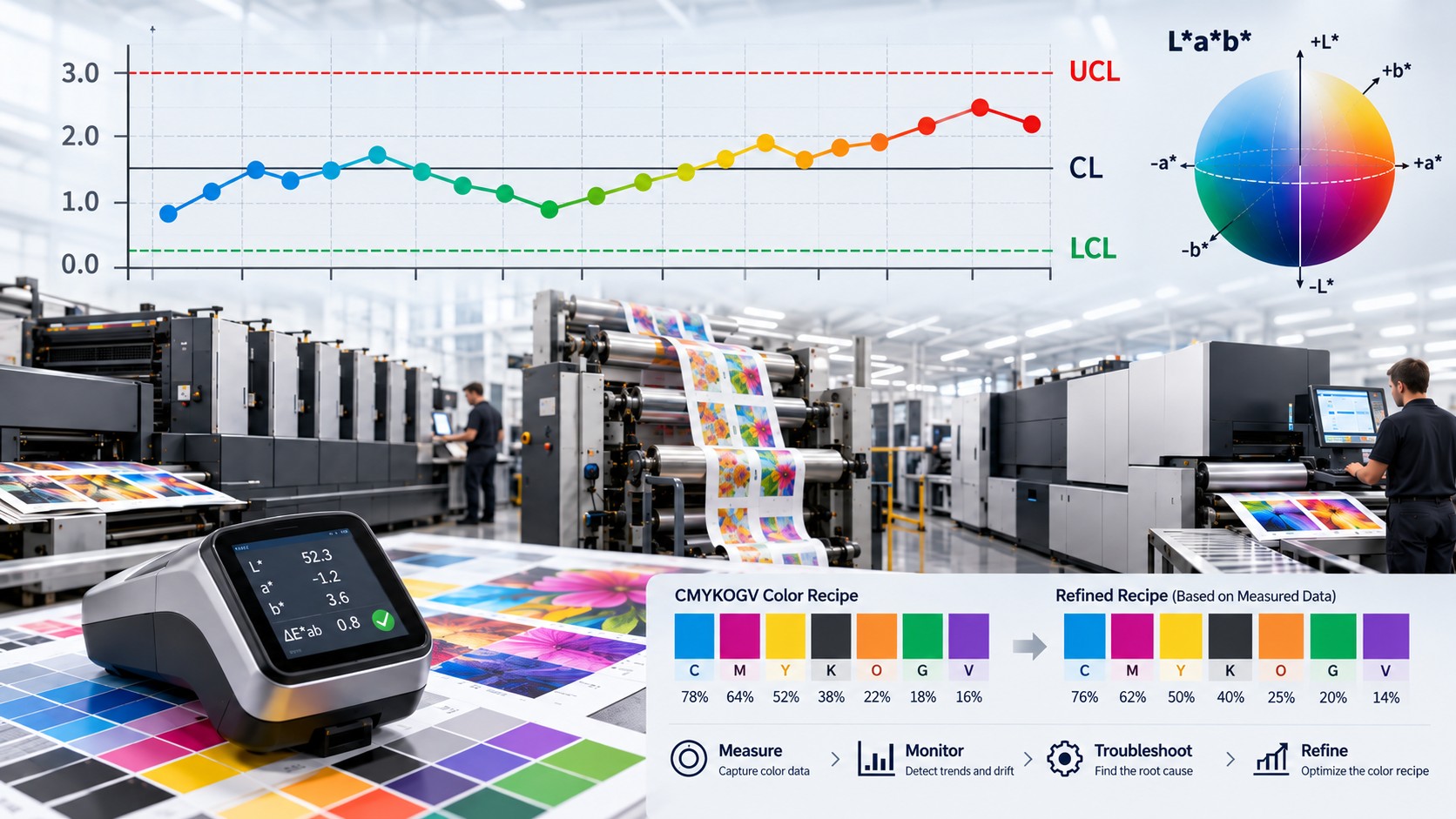
Printed color can drift even when the artwork and imaging data remain unchanged because ink transfer, substrates, press conditions, and measurement systems are dynamic. This article compares the mechanisms involved in offset, flexography, gravure, and liquid electrophotography, while outlining practical approaches to measurement, diagnosis, and feedback control.

READ ARTICLE

Color & Color Management

The Science Behind Print Color Standards

This article explains how calibration, characterization, conformance and certification differ across major international color-reference systems. It connects color measurement and DFE color management with offset lithography, flexography and liquid electrophotography workflows.

READ ARTICLE

Application

The Science and Engineering of Security Printing

This article examines how security graphics, liquid electrophotography, specialty inks and variable data support authentication in documents and packaging. It explains the distinction between identification, data authentication and physical authenticity while emphasizing controlled production and validation against defined risks.

READ ARTICLE

Color & Color Management

When Printed Colors Begin to Fade

Color accuracy at production does not guarantee that a printed image will remain stable throughout its service life. This article explains photofading, ink and substrate interactions, accelerated light-exposure testing, Blue Wool ratings, and practical validation of complete print constructions.

READ ARTICLE

Application

From Printed Sheets to the Finished Luxury Box

This article explains how structural board, printed wraps, coatings, adhesives and converting operations work together in rigid-box production. It covers material selection, artwork preparation, embellishment, cutting, grooving, wrapping, assembly and validation of the finished package.

READ ARTICLE

Application

From Printed Paper to a Bag Ready to Carry the Product

Paper-bag performance depends on the interaction of substrate properties, structural geometry, printing, coatings, adhesives and converting operations. This article explains how material selection and production decisions affect print quality, fold durability, seam integrity, handle strength and suitability for the intended application.

READ ARTICLE

Color & Color Management

When ΔE00 Passes but the Human Eye Disagrees

Instrumental color tolerances provide a repeatable acceptance rule, but they do not guarantee that every observer will perceive a printed difference in the same way. This article explains how visual physiology, observer variation, adaptation, viewing conditions and image context can create disagreement, then outlines a more defensible approach to print approval.

READ ARTICLE

Digital Printing

LEP vs. LEPx: Same Physics, Different Architecture

This article explains the shared liquid-electrophotographic principles behind LEP and LEPx while comparing their sequential and parallel image-formation architectures. It examines the implications for ink transfer, productivity, substrate behavior, and color accuracy without assuming that architectural changes automatically improve printed results.

READ ARTICLE

Digital Printing

LEP vs. LEPx: When the Substrate Changes the Rules

This article examines how LEP and LEPx imaging architectures interact with papers, polymer films, metallic surfaces, primers, and converting layers. It explains why substrate qualification must consider surface chemistry, dimensional stability, web handling, ink adhesion, and finished-product performance rather than press architecture alone.

READ ARTICLE

Digital Printing

LEP vs. LEPx: How Color Is Built, Expanded and Controlled

This article explains how liquid electrophotography forms electrostatic images, develops separate colors, assembles them on an intermediate blanket, and transfers the composite image to a substrate. It also examines CMYKOVG calibration, characterization, and production control in the HP Indigo V12 LEPx architecture while distinguishing established principles from configuration-dependent capabilities.

READ ARTICLE

Application

When Ink Becomes a Signal

For decades, industrial printing success has been judged primarily by the quality of the image it reproduces. Optical density, color accuracy, resolution, uniformity, color-to-color registration, and mechanical durability have been central measures of print performance. Yet a parallel technological field is expanding what a printed layer can do. Instead of depositing information intended only for human vision, functional materials can be printed to create electrically conductive paths, electrodes, sensors, and elements that actively participate in an electronic system.

READ ARTICLE

Application

From Printed Paperboard to the Finished Paper Cup

This article explains how cupstock, barrier layers, printing, structural design and forming operations work together in paper cup production. It covers construction types, sealing interfaces, thermal performance, food-contact considerations and validation of the completed cup under intended service conditions.

READ ARTICLE

Packaging

When the Barrier Breaks, but the Package Remains Intact

Flexible packages can remain visually intact while damage to a thin functional layer reduces protection against oxygen, moisture, aroma or light. This article examines barrier materials, flex-related failure mechanisms, mono-material design challenges and the testing needed to validate performance throughout production and use.

READ ARTICLE

Troubleshooting

When the Metallic Surface Exposes the Failure

Metalized PET-laminated board can make tiny ink voids, pressure marks and scratches highly visible, yet each defect requires a different investigation. This article explains the material structure, electrical behavior and systematic process tracing needed to identify whether damage originates in printing, handling, coating or finishing.

READ ARTICLE

Troubleshooting

Three Presses, Three Diagnoses - and a Failure No One Could Explain

A fictionalized LEP production case demonstrates how individually acceptable materials and procedures can interact to destabilize a printing process. It explains why reproducible baselines, controlled comparisons, and system-level analysis are essential when conventional troubleshooting fails to identify a single cause.

READ ARTICLE

Color & Color Management

The Hidden Geometry of Color

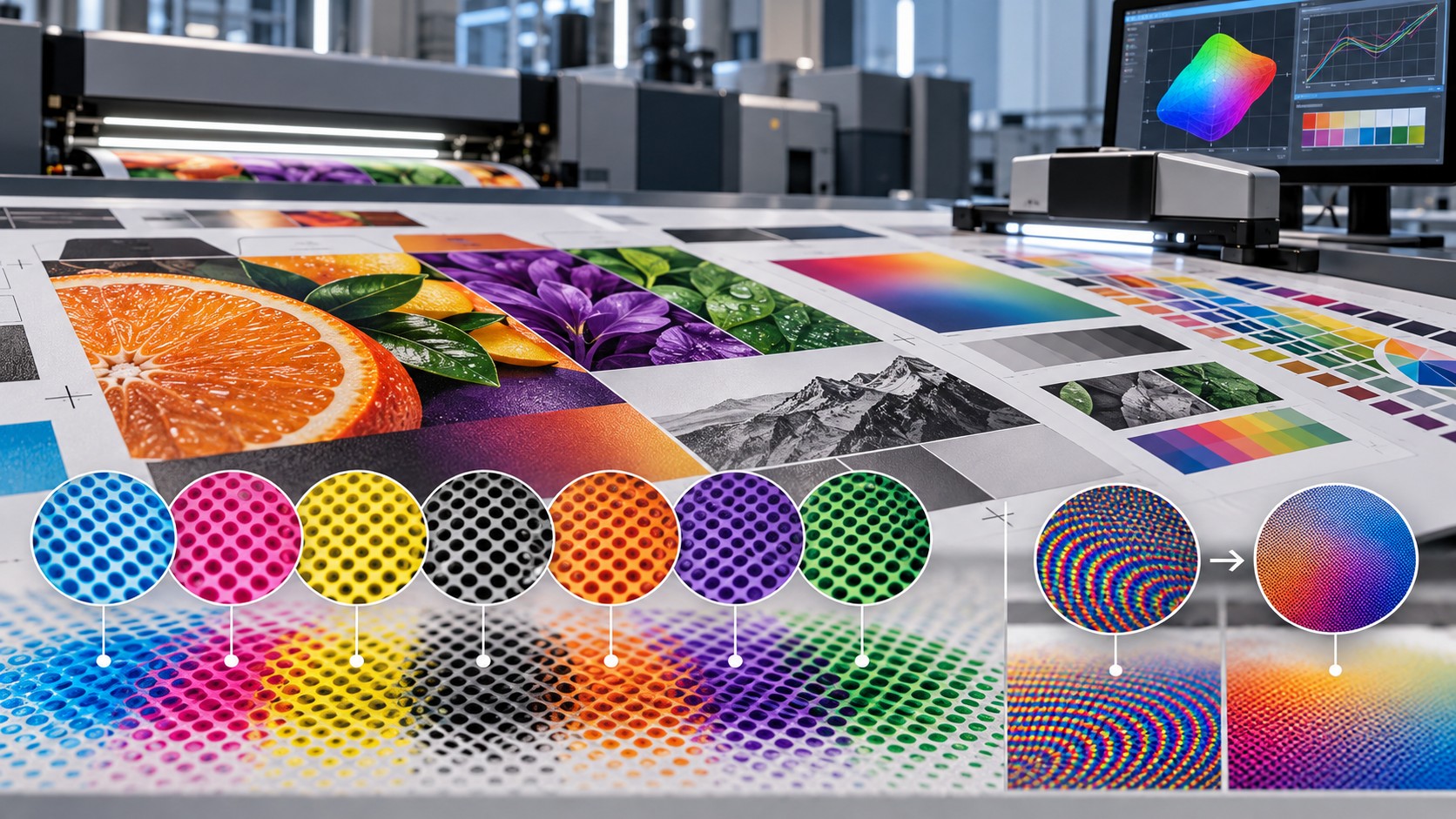
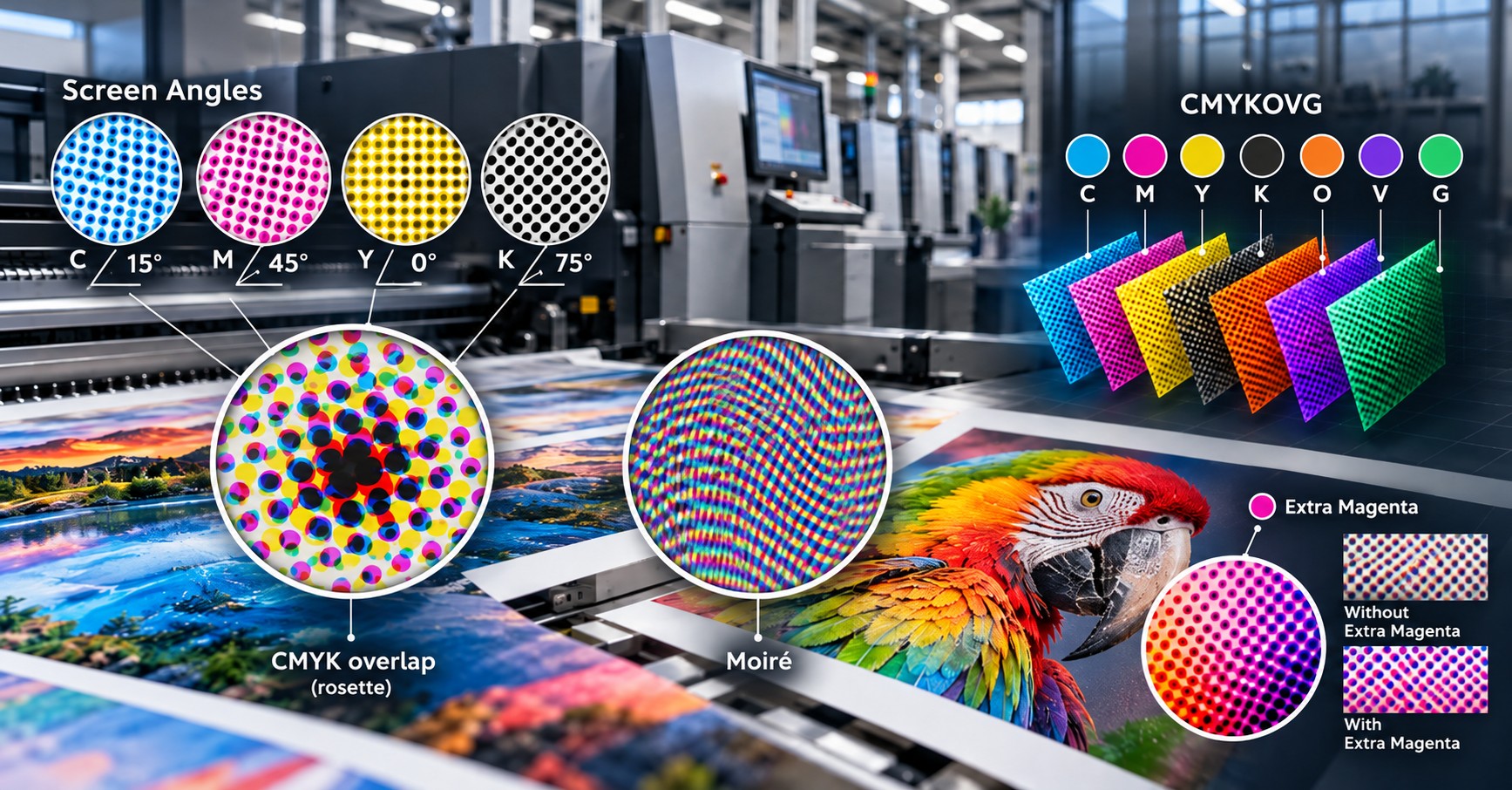
This article explains how halftone screen geometry can create visible moiré even when color separations and measurements are technically correct. It examines AM screen angles, CMYKOVG angle sharing, Extra Magenta separations, and the distinct roles of DPI and LPI in print quality.

READ ARTICLE
Application

Beyond the Ink Surface

A print can look perfectly acceptable while the structure beneath its surface is not. A camera may report correct registration and clean solids; a spectrophotometer may confirm the expected color. Neither observation necessarily establishes the thickness of a buried coating, the geometry of a transparent interface, or the location of a subsurface discontinuity. As printing extends into functional materials and complex laminates, this distinction becomes increasingly important.

READ ARTICLE

Troubleshooting

Why did the Color Change after Aqueous Varnishing

A correctly printed label can shift in hue when a water-based overprint varnish interacts with the ink layer or changes its optical appearance. This article explains pigment and binder compatibility, alkaline exposure, drying behavior, and practical testing to distinguish chemical changes from normal coating effects.

READ ARTICLE

Application

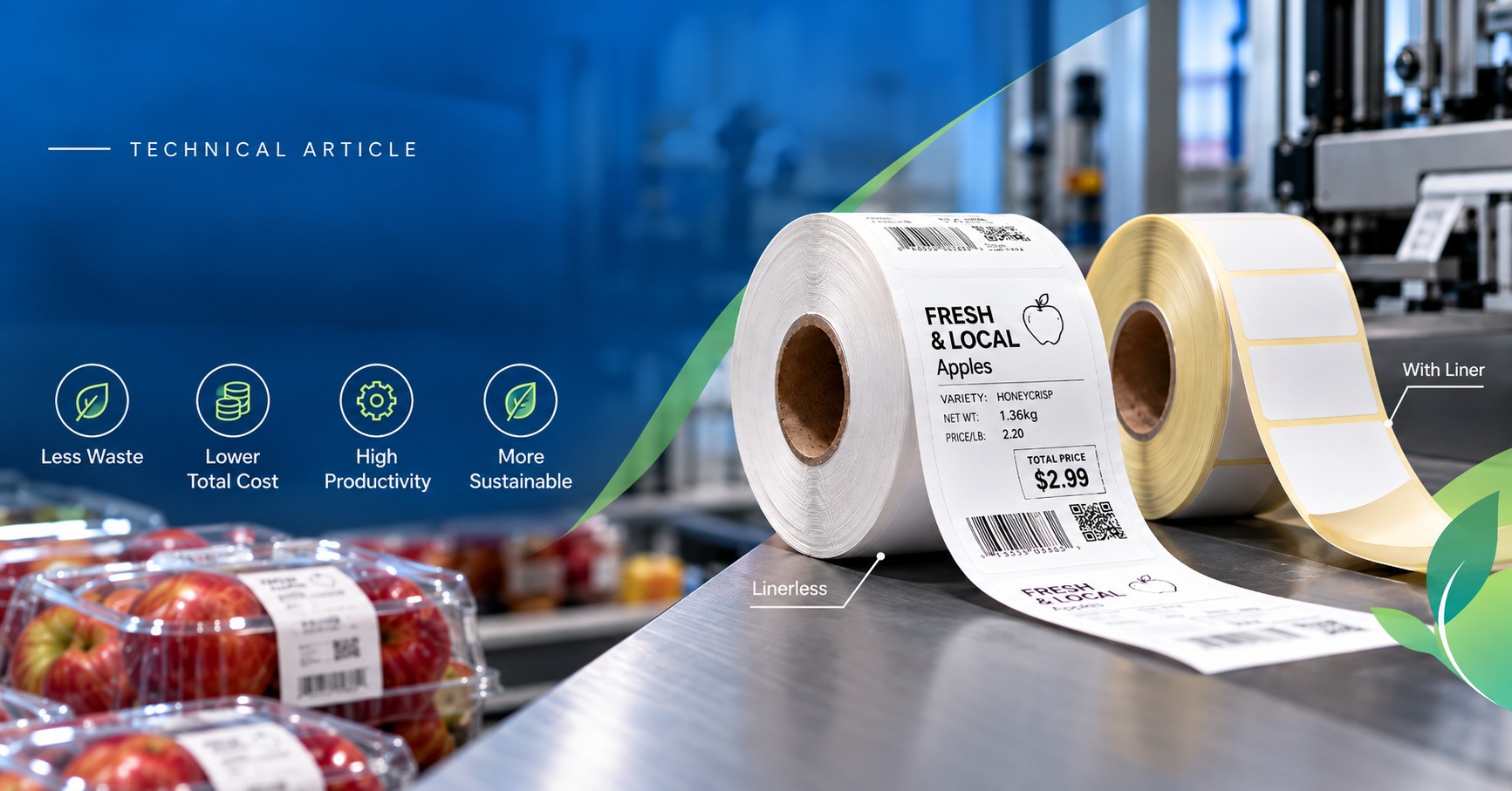
Linerless Labels: Engineering a Label Without a Release Liner

This article compares conventional pressure-sensitive labels with linerless constructions and explains how removing the release liner redistributes critical functions across the adhesive, release coating, facestock, converting equipment and applicator. It also examines direct-thermal and preprinted systems, LEP and flexographic printing, troubleshooting methods, qualification requirements and sustainability considerations.

READ ARTICLE

Troubleshooting

Ink Migration in Food Packaging

This guide explains how chemical constituents can transfer from inks, coatings, adhesives and substrates into food through diffusion, set-off, headspace or physical contamination. It compares key ink technologies and outlines how packaging teams can assess complete structures, control production risks and verify suitability for intended use.

READ ARTICLE

Color & Color Management

A Conditional Model for Integrating Tone Response and Gray Balance in Print Calibration

Print calibration requires attention to both the response of individual color channels and the color produced when those channels are printed in combination. This article introduces the Conditional Tone and Gray-Balance Optimization (CTGBO) Model, a framework proposed by the authors for selecting CMYK corrections from tone and gray-patch measurements. The framework builds on established methods: converting optical density to apparent tone area using Murray–Davies, inverting a measured response curve, calculating color targets from an ICC profile, and evaluating color differences using CIEDE2000. The proposed measureme

READ ARTICLE
Materials & Substrates

Surface-Coating Chemistry in Paper and Paperboard Substrates

Evaluate every substrate individually on the intended press, in its exact model and configuration, with the relevant ink system, transfer conditions, application, and finishing processes. A manufacturer's declaration, compatibility certificate, or entry in a certified-media database does not guarantee 100% success and cannot replace a production trial. Such evidence does not automatically extend to another press model, manufacturing lot, changed formulation, lamination, creasing, folding, gluing or the final end use. Throughout this article, "primerless" means that no separate primer applicati

READ ARTICLE